Have you ever walked away from a networking event with a stack of business cards, feeling like you just met your next big client, only to have those cards sit on your desk and collect dust? Or maybe you had a great discovery call, but then… silence. You don’t want to be “that guy” who pestered them, but you also don’t want to lose the lead. Sound familiar?
Well, here’s some good news for you: most people are just as busy as you are, and they actually expect you to follow up. In fact, if you aren’t following up, you’re likely leaving about 80% of your potential revenue on the table.
In this guide, we’re going to break down the “art” of the follow-up. We’ll show you how to move past the awkwardness and build a system that turns a quick “hello” into a long-term partnership.
TL;DR: The Follow-Up Cheat Sheet
- The 80/20 Rule: 80% of sales require at least five follow-ups, but 44% of people quit after just one.
- Speed Matters: Responding to an inbound lead within five minutes makes you up to 100x more likely to connect.
- The Recap: Send a summary email the same day as your conversation to confirm goals and next steps.
- Mix It Up: Use email, phone calls, and LinkedIn. A multi-channel approach sees 28% higher qualification rates.
- Value First: Every touchpoint should offer something helpful, not just “checking in.”
Why the Fortune Really Is in the Follow-Up
Let’s look at some numbers that might surprise you. Did you know that only about 2% of sales happen on the first contact? That means if you’re only reaching out once, you’re missing out on 98% of your potential business.
Even more startling? Roughly 80% of sales require five follow-ups after the initial meeting. Yet, nearly half of all small business owners and sales reps stop after the very first attempt. If you’re willing to be the person who hangs in there for the third, fourth, or fifth touchpoint, you’ve already outlasted most of your competition.
Think about it this way: your prospects are juggling kids, deadlines, and a million emails. They aren’t ignoring you because they hate your product; they’re ignoring you because they’re busy. By following up, you’re actually doing them a favor by keeping a solution to their problem on their radar.
Step 1: The “Same Day” Recap
The “art” starts the moment the first conversation ends. Whether you met at an INSPIREsmall.biz event or had a formal Zoom call, the clock is ticking.
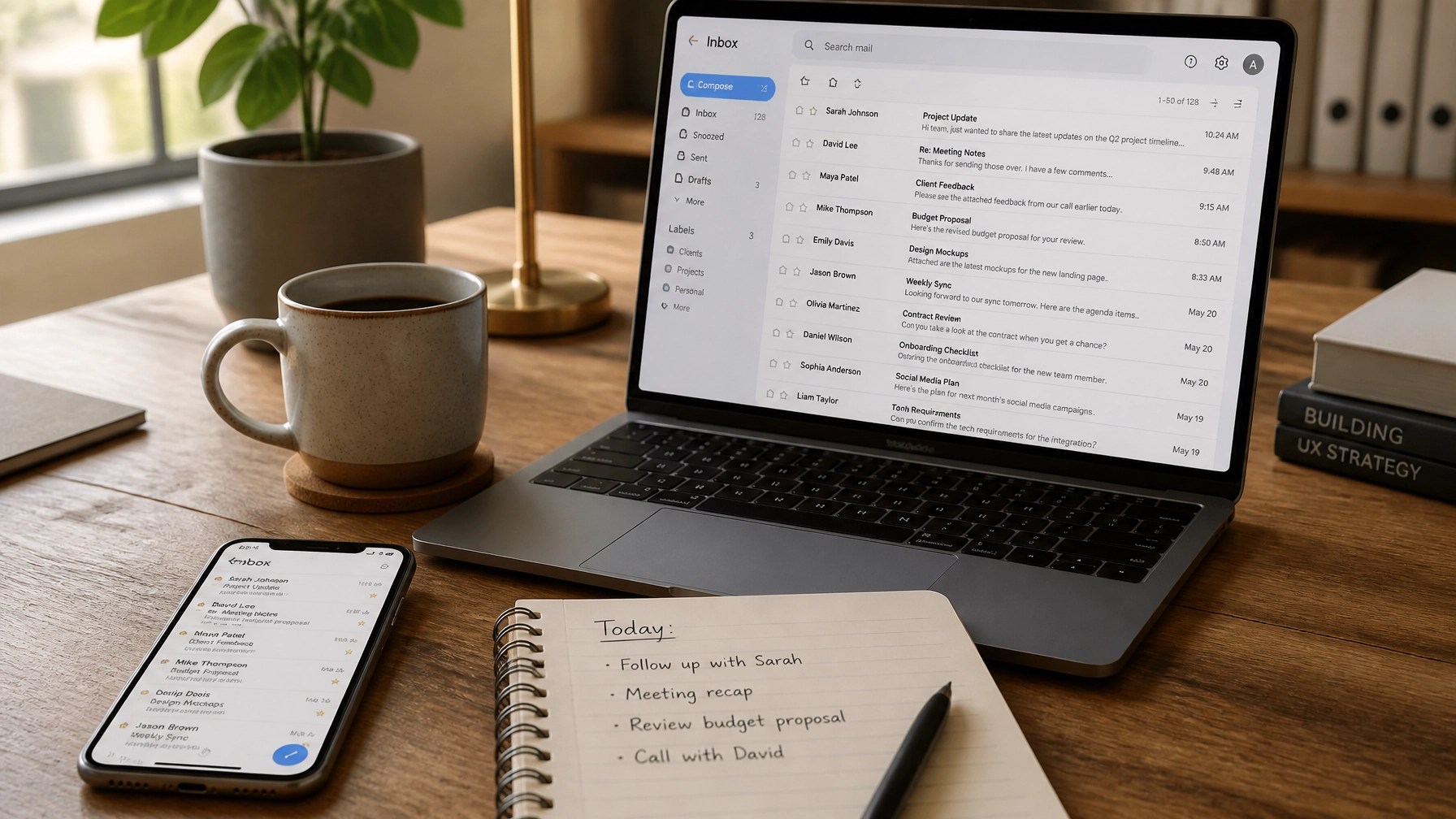
Your goal for the same-day follow-up isn’t to close the deal, it’s to capture the momentum. You want to prove that you were actually listening. Here is a simple framework for that first recap email:
- The Thank You: Keep it brief and genuine.
- The “I Heard You” Section: Summarize their specific pain points and goals in their words. This builds massive trust.
- The Deliverables: If you promised to send a proposal or a link to a helpful blog post, do it now.
- The Clear Next Step: Don’t leave it vague. Instead of “Let me know what you think,” try “Are you open to a 15-minute chat next Tuesday to go over any questions on the proposal?”
And remember, if someone reaches out to you first (an inbound lead), speed is your best friend. Responding within minutes rather than hours can drastically change your conversion rate.
Step 2: Building a Multi-Touch Cadence
So, you sent the recap, and… crickets. Now what? This is where most people get nervous. “I don’t want to be annoying,” you might think. But remember, the goal is to be helpful, not haunting.
A multi-touch cadence is just a fancy way of saying you have a plan to stay in touch over a few weeks using different methods. Research shows that using three or more channels (like email, phone, and social media) leads to much better results.
Here’s a sample 4-week “value-first” schedule you can use:
- Day 0: The initial conversation + the same-day recap email.
- Day 3: The first follow-up email. Mention a specific detail from your talk and provide one extra piece of value, maybe a case study or a link to marketing consulting services that solve their specific issue.
- Day 7: A quick phone call. If they don’t pick up, leave a 20-second voicemail focusing on a benefit for them.
- Day 14: A LinkedIn connection request or a message. Share an article or a resource relevant to their industry.
- Day 21: The “Break-up” email. This is a low-pressure way to say, “I haven’t heard back, so I assume this isn’t a priority right now. I’ll stop reaching out, but my door is always open if things change.”
Surprisingly, that break-up email often gets the highest response rate because it removes the pressure and forces a “yes” or “no” decision.

The Difference Between Professionalism and Pestering
We’ve all been on the receiving end of a pushy salesperson who won’t take a hint. You don’t want to be that person. So, how do you stay persistent without being a pest?
The secret is value.
If every email you send says, “Just checking in to see if you’re ready to buy,” that’s pestering. It’s all about you and your needs. But if your follow-up says, “I saw this article about small business tax changes and thought of our conversation last week,” that’s professional. You’re positioning yourself as a resource and a consultant, not just a vendor.
Also, keep your messages short! No one wants to read a novel in their inbox. One main idea and one clear, low-friction ask (like a “yes” or “no” question) is usually the way to go.
Turning a Client into a Partner for Life
The follow-up doesn’t stop once they sign the contract or pay the first invoice. In fact, that’s when the real follow-up begins. This is how you turn a one-time transaction into a “lifetime client.”
Once someone joins your world: perhaps by becoming a member: you need a system to keep them happy.
- Structured Onboarding: Send a welcome email that explains exactly what happens next. Confusion is the enemy of retention.
- Success Check-ins: Schedule a call for 30 or 60 days after they start. Ask them: “Are we meeting the goals we set at the beginning?”
- The “Surprise and Delight”: Send them an interesting insight or an invitation to a special event just because. It shows you care about their success even when there isn’t a check on the line.
When you treat your clients like partners, they don’t just stay with you: they become your best advocates and start sending referrals your way.

And, Always Remember…
The most important part of any follow-up system is just… doing it. You don’t need a fancy CRM or a complicated automation sequence (though those can help!). You just need a commitment to showing up for your prospects.
It can feel a little uncomfortable at first, and you might worry about being a bother. But if you truly believe that your business can help someone, isn’t it your responsibility to make sure they see that?
Your Next Steps
Ready to turn those old business cards into new clients? Here’s your homework for this week:
- The Audit: Look at your last 5 discovery calls or networking meetings. Have you followed up at least three times with each of them?
- The Draft: Create a “Recap Template” that you can quickly customize and send after any meeting.
- The Outreach: Pick one person you haven’t talked to in a month and send them a “Value First” email today: no sales pitch, just something helpful.
Building a business is all about connections, and the follow-up is the glue that keeps those connections together. You’ve got this!