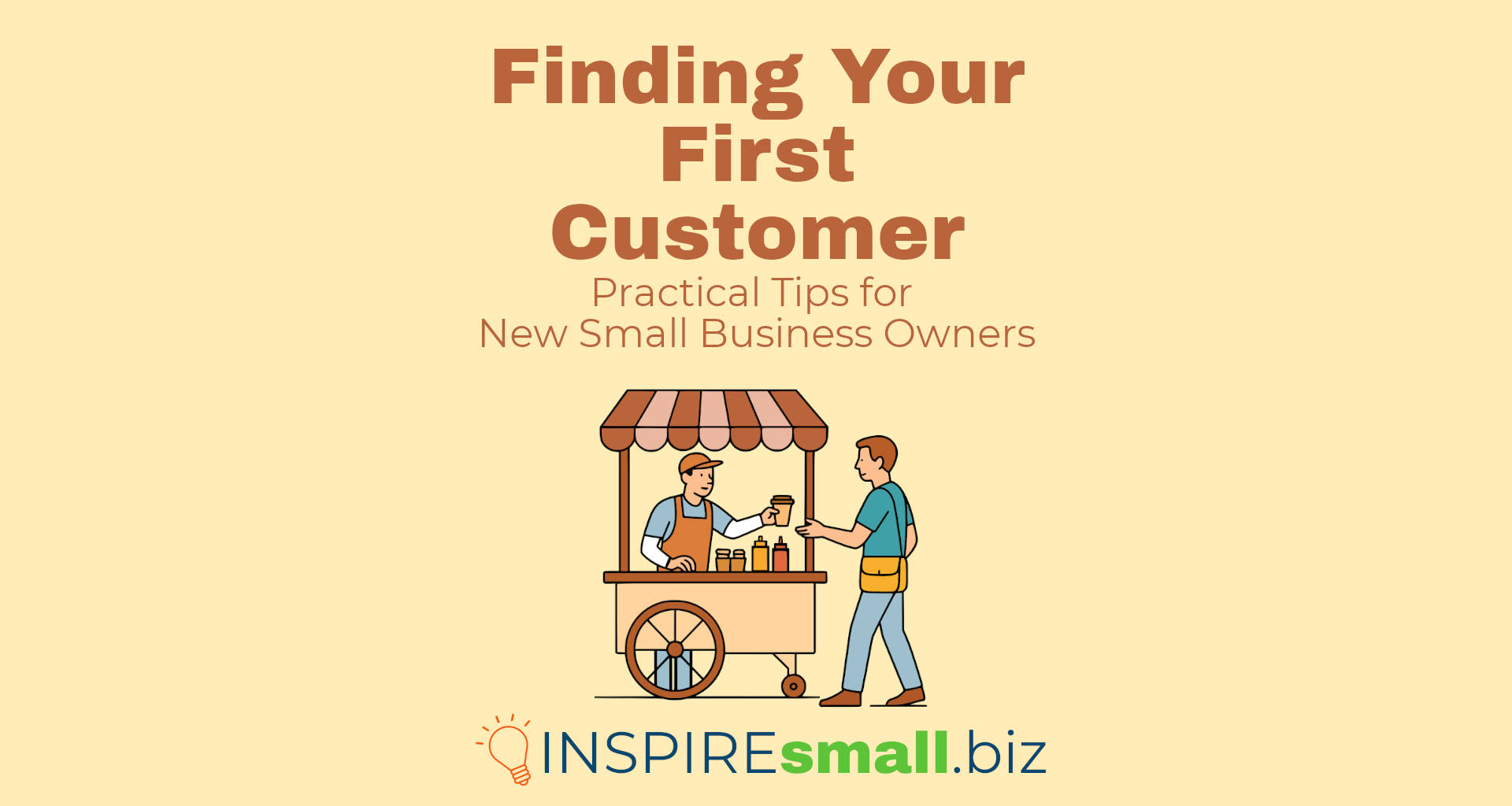
Starting a new business? Feeling overwhelmed about finding that crucial first customer? You’re definitely not alone in this challenge. Every successful business owner has been exactly where you are right now, staring at a great product or service but wondering how to actually get people to buy it.
Well, here’s some good news for you: finding your first customer doesn’t have to be scary or expensive. With the right approach and a bit of persistence, you’ll be celebrating that first sale sooner than you think.
Start With Your Foundation (Yes, This Actually Matters)
Before you start reaching out to potential customers, let’s make sure you’ve got your basics covered. Think of this as building a house, you wouldn’t skip the foundation, right?
First, get crystal clear on what makes your business special. What problem are you solving that others aren’t? Why should someone choose you over the competition? If you can’t explain this in one clear sentence, your potential customers won’t get it either.
Next, define exactly who you’re trying to reach. And no, “everyone” isn’t a target audience! Your customers differ in their choices, needs, and motivations. The clearer you are about who you serve, the easier it’ll be to find them.
Your Network Is Your Goldmine
Here’s something that might surprise you: your first customer is probably someone you already know. Or at least, someone who knows someone you know.
Start by making a list, seriously, grab a spreadsheet and write down everyone you can think of. Include friends, family, former colleagues, college buddies, neighbors, and even that person you chat with at the coffee shop. Don’t overthink this part; just get names down.
Now, here’s the key: organize these contacts strategically. Some might be direct customers, while others could be amazing referral sources. Your old college roommate might not need your accounting services, but they could know three small business owners who do.
When you’re ready to reach out, keep it natural and low-pressure. You’re not trying to make a hard sell, you’re simply sharing what you’re up to. Say something like, “Hey, I just launched my graphic design business and I’m looking for my first few clients. Do you know anyone who might need help with their branding?”
Test the Waters With Smart Validation
Before you go all-in on marketing, why not validate your idea first? This is where you can get creative and minimize your risk at the same time.
Try offering free consultations if you’re in the service business. This gives you a chance to refine your offerings based on real feedback, plus it builds relationships with potential customers. You might not get paid for these initial sessions, but you’ll learn tons and often convert these consultations into paying clients.
Consider pre-selling discounted packages to test genuine interest. If people are willing to pay you before you’ve fully delivered, that’s a strong signal you’re onto something good.
For retail or food businesses, pop-up shops and local markets are perfect testing grounds. You can gauge demand without committing to a long-term lease or major inventory investment.
Build Your Online Home Base
In today’s world, having a professional online presence isn’t optional, it’s essential. But don’t worry, this doesn’t mean you need to spend thousands on a fancy website right away.
Start with the basics: a clean, simple website that clearly explains what you do and how people can contact you. Include testimonials if you have them (even from those free consultations!), and make sure your contact information is easy to find.
Your website should also include valuable content that helps your target audience. Write blog posts, create how-to guides, or share tips related to your industry. This establishes you as an expert and helps people find you through search engines.
Social media is equally important, but here’s the thing: you don’t need to be on every platform. Pick one or two where your ideal customers actually spend time, and focus your efforts there. Consistency beats perfection every time.
Cast a Wider Net With Multiple Channels
Once you’ve worked through your immediate network and established your online presence, it’s time to expand your reach. The key is using multiple channels so you’re not putting all your eggs in one basket.
Email marketing is still one of the most effective ways to nurture potential customers. Start building an email list from day one, offer a helpful guide, checklist, or discount in exchange for email addresses. Then send valuable, relevant content regularly to stay top-of-mind.
Local events can be goldmines for new business owners. Look for networking groups, trade shows, community gatherings, and industry meetups in your area. Don’t just show up to sell, go to build genuine relationships and learn about your market.
Referral programs work incredibly well because they leverage the trust that already exists between friends and family. Consider offering incentives for customers who refer others to you. This could be a discount, free service, or even just a heartfelt thank-you note.
Do Your Homework (It Pays Off)
Before you start reaching out to strangers, invest some time in research. Understanding your market deeply will save you tons of time and energy later.
Use online surveys or have direct conversations with people in your target audience. Ask about their biggest challenges, what solutions they’ve tried before, and what would make them choose one business over another. This information is gold, it tells you exactly how to position your offering.
Look at what your competitors are doing, but don’t just copy them. Find the gaps in what they’re offering and position yourself to fill those holes.
Also, research where your potential customers hang out online. Are they in specific Facebook groups? Do they follow certain influencers on Instagram? Understanding their online behavior helps you reach them more effectively.
Build Trust From Day One
Here’s the truth: people buy from businesses they trust, especially when it’s a new company they’ve never heard of before. Building that trust starts with your very first interaction.
Be transparent about who you are and what you offer. Share your story, why did you start this business? What’s your background? People connect with authentic stories, and authenticity builds trust faster than any fancy marketing campaign.
Follow through on everything you promise, no matter how small. If you say you’ll send information by Tuesday, send it by Monday. If you promise a consultation will last 30 minutes, respect that timeframe. Consistency in small things builds confidence in bigger commitments.
Ask for and showcase testimonials and reviews. Even if you only have feedback from friends or beta testers, share it! Social proof is incredibly powerful for new businesses.
Your Action Plan for This Week
Alright, let’s turn all this advice into concrete steps you can take right now:
- Today: Write down your value proposition in one clear sentence and create that contact list we talked about.
- This week: Reach out to 5-10 people from your network. Keep it casual and focus on building relationships, not making sales.
- By next week: Set up a basic online presence: even a simple website and one social media account is a great start.
- This month: Try one validation technique, whether it’s offering free consultations or testing at a local market.
Remember, finding your first customer is often the hardest part of building a business, but it’s also the most rewarding. Every successful entrepreneur has been exactly where you are now, wondering if anyone will actually buy what they’re selling.
The key is to start with what you have: your network, your skills, and your passion for solving problems. Be patient with the process, stay consistent with your efforts, and don’t be afraid to adjust your approach based on what you learn.
Your first customer is out there waiting for exactly what you have to offer. Now go find them!